Health Topic
Trending Articles / Health / Women’s Health / Bone Health / Bone Density / Osteoporosis / Aging Well
It’s Not Too Late to Support Your Bone Health
How your body builds bone and what helps support it over time
By Kelley R Kirchner, DC, DABCI
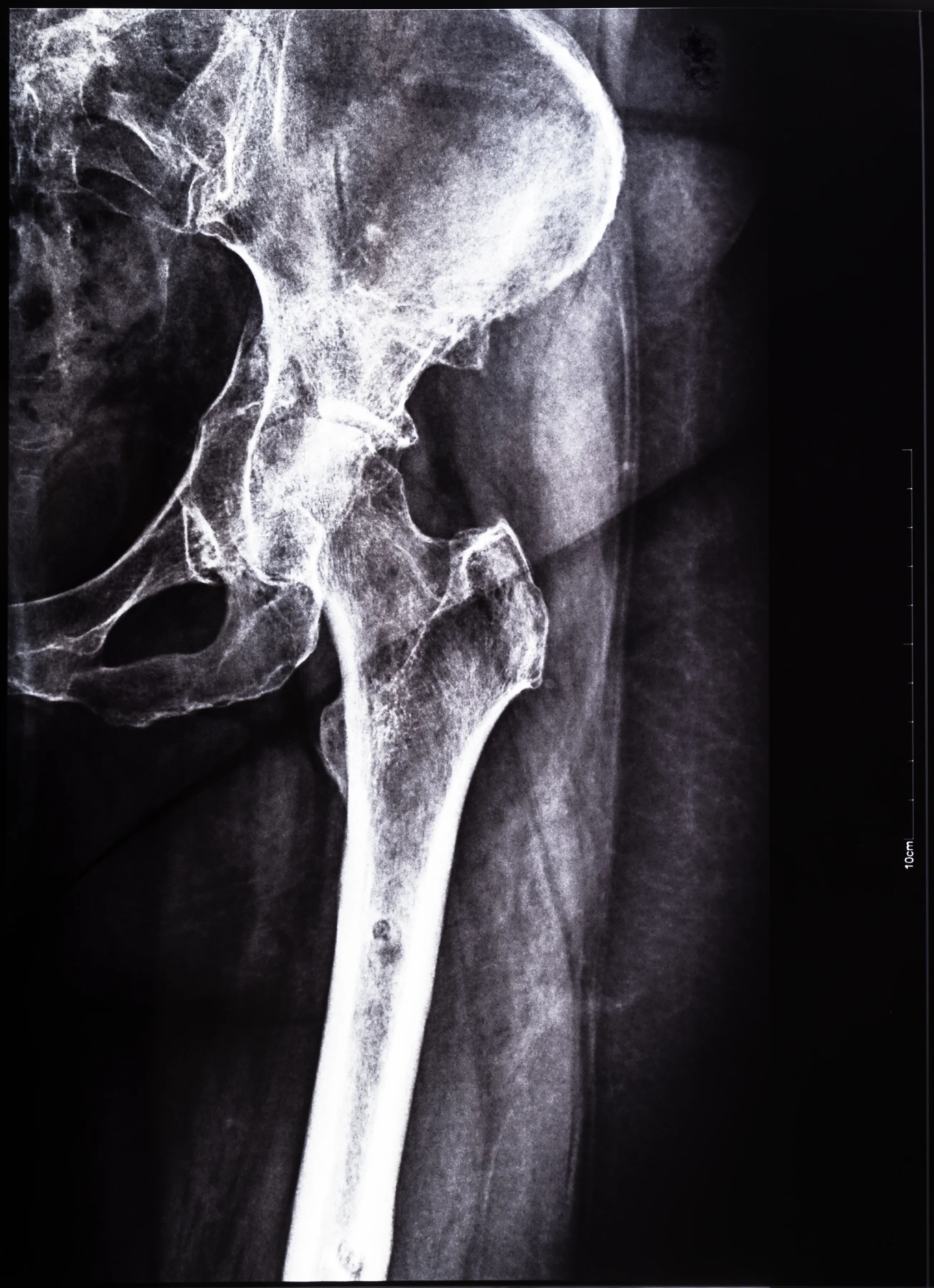
You’re Not Broken and You’re Not Too Late
The best way to prevent osteoporosis-related bone loss is a lifetime of weight-bearing exercise — something many of us were encouraged to do earlier in life. But the reality is, a lot of women didn’t keep up with it. Life happened. And the good news is, that doesn’t mean you’re out of options. Your bone health is not an all-or-nothing situation. Even now, your body still has the ability to respond and adapt, and there are ways to support stronger bones moving forward.
Bone Is Alive and Always Changing
Your body is constantly working on the bone you already have.
Bone is not a fixed structure that stays the same forever. It’s living tissue that is always being renewed. Your body goes in, takes out old bone that’s been there for a long time and may not be as strong as it used to be, and replaces it with new bone. This process is happening all the time, throughout your life.
You have cells in your body whose job is to remove old or weaker bone, and you have cells whose job is to build new, stronger bone. This natural cycle of removal and rebuilding is how your body maintains bone strength over time.
What Your Body Is Always Trying to Do

What we want is balance. We want to take away the weaker bone and replace it with stronger bone. That’s how you maintain good structure and stability. It’s not just about having more bone — it’s about having better bone.
If the focus is only on stopping bone from being removed, the old, weaker bone can stay in place too long. New bone may grow around it, but the overall structure can actually become weaker. Your body works best when it’s allowed to both clear out what’s no longer serving you and build something stronger in its place. Supporting that balance is key to long-term bone health.
How Movement Sends a Message to Your Bones
When it comes to bone density, your body responds to pressure. Bones are designed to adapt to what you ask them to do. When they’re challenged, they get stronger. When they’re not, they tend to simply maintain what they have or slowly lose strength over time.
If you’re not engaging in weight-bearing exercise, your body isn’t doing anything wrong — it’s just responding to the information it’s given. Without regular pressure, your bones don’t get the signal to build new, stronger bone.
Weight-bearing and resistance exercise change that message. Activities like lifting weights or walking place stress on your bones, and that stress encourages your body to build stronger bone in response. This is similar to how your skin forms a callus when it’s exposed to repeated pressure. The body adapts based on what it experiences.
Not All Movement Builds Bone
Not all movement creates the same effect on bone. Activities like lifting weights, walking, and even bouncing on a rebounder apply pressure directly through the bones, which helps support bone density. Exercises like swimming or cycling are excellent for cardiovascular health, but because your body weight is supported, they don’t stimulate bone growth in the same way.
Body size also plays a role in how much pressure bones experience. Heavier individuals naturally place more stress on their bones during weight-bearing activities, which can lead to greater bone-building signals. This means women who have been lighter throughout their lives may need to be more intentional about including weight-bearing or resistance exercise to support bone density.
Movement is a powerful way to signal your body to build stronger bone, but it isn’t the only part of the process. Exercise tells your bones that they need to be strong, but your body still needs the right materials to actually build that strength. Without proper support, the signal is there, but the building process can fall short.
This is where nutrition becomes just as important. Your body needs specific nutrients to build new bone and to properly clear out older, weaker bone at the same time. When movement and nutrition work together, you’re not just asking your body to strengthen bone — you’re giving it what it needs to do the job well.
Supplements That Can Support Bone Strength Over Time
Supplements can be a helpful piece of a bone health plan — especially when you’re already working on the foundations like movement, protein, and overall nutrition. The key is choosing forms your body can actually use, in combinations that support the way bone is built.
Below are the supplements I most often recommend when someone wants to support bone density in a practical, well-rounded way.
Plant-Based Calcium
Plant-based calcium formulas are a great option for many adults because they tend to be gentler on digestion and often come paired with other supportive minerals. They’re especially useful for women in perimenopause and postmenopause, when bone remodeling shifts and the need for consistent mineral support increases.
When you’re choosing a plant-based calcium, look for a formula that includes more than just calcium alone. Bone is not made of calcium in isolation — it’s built with a full mineral matrix. The best products include key trace minerals that help calcium get into bone instead of drifting into the wrong places.
MCHC Calcium (A Pre-Menopause Option)
For premenopausal women, MCHC calcium is often a better “bone-building” option than standard calcium. MCHC stands for microcrystalline hydroxyapatite concentrate — which is essentially the same mineral structure your bones are made from.
This type of calcium tends to be especially helpful when your goal is supporting the body’s natural bone-building process, rather than simply increasing calcium intake. It can also be a good choice for women who want a more targeted bone-support supplement without needing a larger multi-mineral blend.
Trace Minerals (Especially for Peri- and Post-Menopause)
Trace minerals become increasingly important as hormones shift — because estrogen plays a major role in how the body holds onto minerals and maintains bone density. When estrogen begins to decline, many women do everything “right” and still notice changes in bone density over time.
A quality trace mineral formula often includes nutrients like boron, which supports how the body uses calcium and magnesium and may help support healthy hormone balance. This is one of the reasons trace minerals are a common missing piece in women who are focused on calcium and vitamin D but still aren’t seeing the results they want.
A Note About Strontium (Included in Some Bone Support Kits)
Some bone-support kits include a small amount of strontium alongside trace minerals. Strontium has controversy around it, but it’s important to understand that the concerns typically relate to high-dose forms that were used like drugs in other countries — not the low, supportive amounts included in well-designed nutritional formulas.
In the exact dosages used in these bone support kits, strontium is considered safe and can be a helpful addition for supporting bone mineral density, especially in peri- and postmenopausal women.
Vitamin D3 + K2 (Micellized)
Vitamin D helps your body absorb calcium, but it’s not enough on its own. Vitamin K2 plays a key role in directing calcium to the bones, where it belongs. That’s why I often recommend D3 and K2 together rather than D3 alone.
A micellized formula is especially useful because it improves absorption. Since D and K are fat-soluble vitamins, they’re not always absorbed well — especially in people with digestion issues, low bile flow, or a history of gallbladder problems. Micellized formulas help take that variable out of the equation.
A Note for Women in Different Life Stages
If you’re premenopausal, your bone-support plan often benefits from a more “bone-building” approach — which is where MCHC calcium can be a great fit, along with D3/K2 for proper mineral placement.
If you’re in perimenopause, this is where many women benefit from widening the focus. Supporting trace minerals and mineral balance becomes more important, because bone remodeling is becoming more sensitive to stress, sleep changes, and shifting hormones.
If you’re postmenopausal, consistency matters most. This is often the stage where mineral support, trace minerals (including boron), and well-absorbed D3/K2 can make the biggest difference over time — especially when paired with strength training and enough protein.
The most important thing to remember is that bone health is not “all or nothing" and it's never too late. The right support, done consistently, can help your body maintain strength and stability for years to come.
If you’d prefer a simple place to start, we’ve curated a small collection of supplements chosen for quality and effectiveness. This is completely optional and designed for those who want to move forward without additional research.
At this point, it’s important to remember that supplements are just one piece of the picture. They work best when they support the body you already have and the choices you’re already making. When you understand how bone works, how movement signals strength, and how nutrition provides the building blocks, everything starts to feel more manageable and less overwhelming.
The most important takeaway is this: your body is still responsive. Bone health isn’t something that was decided years ago and can’t be changed now. Small, consistent choices — the kind that fit into your real life — can add up over time. You don’t have to do everything at once, and you don’t have to do it perfectly.
What matters most is that you’re giving your body the right signals and the right support. Whether you start with movement, nutrition, supplements, or simply learning more, each step reinforces the next. Change doesn’t come from fear or pressure, but from understanding and consistency.
You are not behind. You are not broken. And you still have the ability to support your bone health in a meaningful way — starting right where you are.
Want Help Supporting Your Bones Naturally?
If this article resonates — whether you’ve already tried nutrition and exercise strategies, have multiple health considerations, or take medications that affect bone health — personalized guidance can help.
Bone health is influenced by hormones, nutrition, and lifestyle patterns, and a tailored approach often leads to the best results.
We offer coaching to help you:
-
Understand what your bone health patterns are telling you
-
Explore nutrition, lifestyle, and activity strategies to support bone density
-
Develop a plan that fits your health, medications, and daily life
Use the form below to reach out, and we’ll respond personally to help you determine the best next steps for your situation.
Choosing Support That Makes Sense for You
Q: ‘’How do I know the supplements I’m choosing are good quality?''
Not all supplements are made the same, even if the labels look similar. Quality depends on where the ingredients come from, how much is actually included, and how well your body can absorb them. Some products are made to be inexpensive, not effective. Choosing well-made supplements can make a real difference in how your body responds.
Q: ‘’Why do some supplements work for one person but not another?''
You are unique. Your digestion, stress levels, sleep, and overall health all affect how supplements work in your body. A product that helps someone else may not be the right fit for you. Supplements support your body’s natural processes, so results depend on what your body needs and what’s already going on.
Q: ‘’Can I just buy the same supplements I see recommended everywhere?''
You can, but popular doesn’t always mean appropriate. Many recommendations are very general and don’t consider individual needs. Some products also contain low doses or extra ingredients that don’t add much value. Choosing supplements based on your goals, rather than trends, usually leads to better results.
Q: ‘’How long does it take to notice a difference from supplements?"
Supplements aren’t quick fixes. They work by supporting your body over time. Some people notice changes quickly, while others need longer. Consistency matters, and results are often gradual. Small improvements can add up when you stay steady.
Q: ‘’Do I need to take supplements forever?"
Not always. Some supplements are helpful for a specific phase of life or when targeting specific health challenges. Others may be useful longer term. The goal isn’t to take more supplements, but to give your body what it needs when it needs it.
Q: ‘’How do I avoid taking supplements that don’t actually help me?"
Taking random supplements can get expensive and frustrating. It helps to start with a clear reason for what you’re taking and to choose products that match that goal. When supplements are chosen with intention, there’s less guesswork and better use of your time and money.
Q: "Why do you offer supplements through your own store instead of just listing recommendations?"
Sorting through thousands of supplement options can feel overwhelming. We choose products based on quality, ingredients, and how well they’re used in the body. Offering them in one place makes it easier to find options that meet those standards without having to research everything on your own.
Q: "When would someone benefit from working with a health guide instead of going it alone?"
Some people enjoy figuring things out on their own. Others want help creating a clear plan and understanding where to focus first. Working with a health guide can be helpful when you want personalized support, a bigger-picture view, or help connecting the dots.
Q: "What if I just want to start small?"
Starting small is perfectly okay. One or two well-chosen steps can be enough to get going. Learning more about your options is a great place to begin, and you can always build from there at your own pace.
Let’s Make a Simple Bone Health Plan Together
If you made it this far, you’re probably not looking for another list of “bone health tips.” You want clarity.
Because bone density isn’t just about calcium — it’s shaped by hormones, nutrients, movement patterns, medications, digestion, and stress. And once you understand what’s influencing your body, the next steps usually become surprisingly simple.
If you’d like help putting the pieces together and choosing a plan that fits your situation, we’re here.
Prefer to begin on your own? You can explore our thoughtfully curated supplement options any time.
Quick Summary
A simple way to understand what supports bone density — and what to do next.
Your bones are living tissue:
They respond to the signals you give them through movement, nutrition, hormones, and daily habits.
It’s not too late to make a difference:
The best results usually come from combining the right building blocks with strength-based movement.
Supplements can help fill gaps:
Choosing the right forms and combinations makes support more effective.
Start with simple steps:
You can explore our curated bone health supplements for practical options.
Get personalized guidance when needed:
If your situation is more complex, we can help you build a plan tailored to your age, hormones, medications, and health history.
If you’d prefer a simple place to start, we’ve curated a small collection of supplements chosen for quality and effectiveness. This is completely optional and designed for those who want to move forward without additional research.
BeYourOwnDoc
BeYourOwnDoc is a division of Natural Solutions Group, LLC, Ballwin, MO